
Troubleshooting
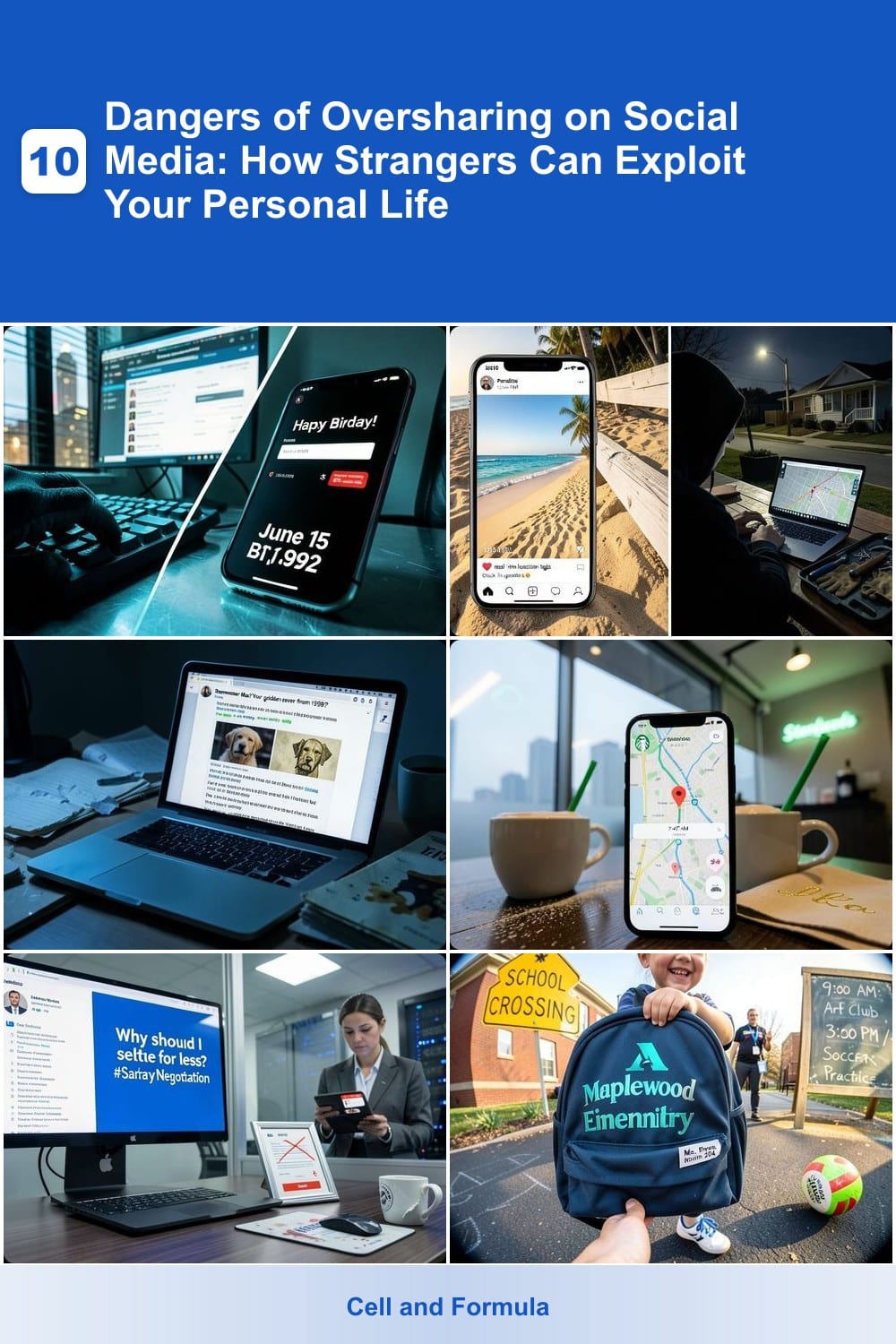
Your social media posts may seem harmless, but oversharing can expose you to serious risks—from identity theft to stalking. These 10 dangers reveal how strangers exploit personal details you casually share online, and how to protect yourself before it's too late.
Identity Theft Through Public Birthdays
That "happy birthday" post might seem innocent, but public birthdays are a hacker’s goldmine—account recovery questions like "What’s your birth month?" are shockingly easy to guess when you’ve shared the exact date online.
Cybercriminals use tools to scrape social media for birthdays, then exploit them to reset passwords on email, banking, and social accounts with alarming success. A 2023 study found that 30% of users who posted their full birthdays had at least one account compromised within six months. Even "private" posts can be leaked or guessed—never assume safety.
This risk isn’t just for tech novices: celebrities, executives, and everyday users all fall victim. Limit birthday details to close friends only, and enable two-factor authentication as a backup. 💡
Home Invasion from Vacation Posts
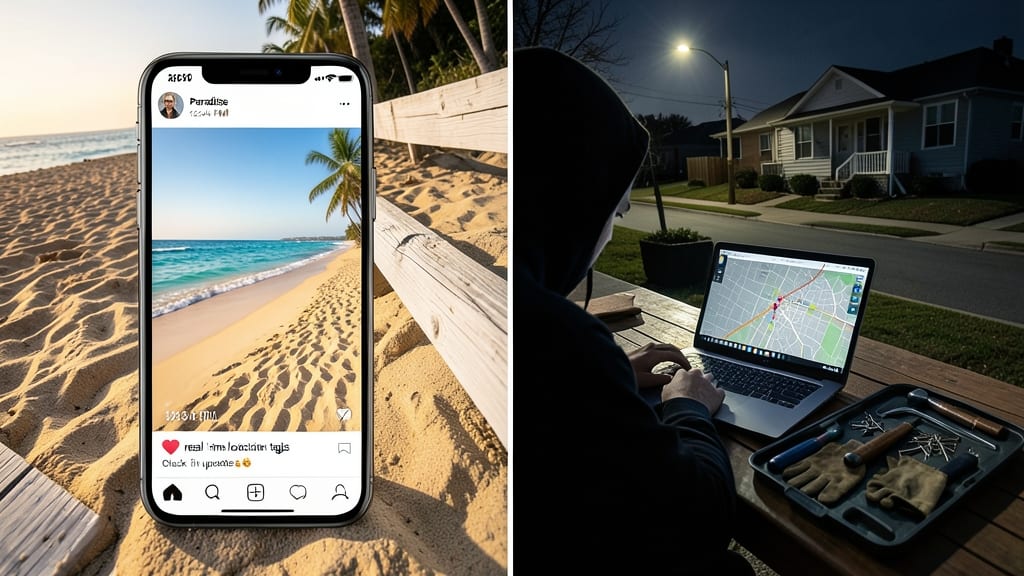
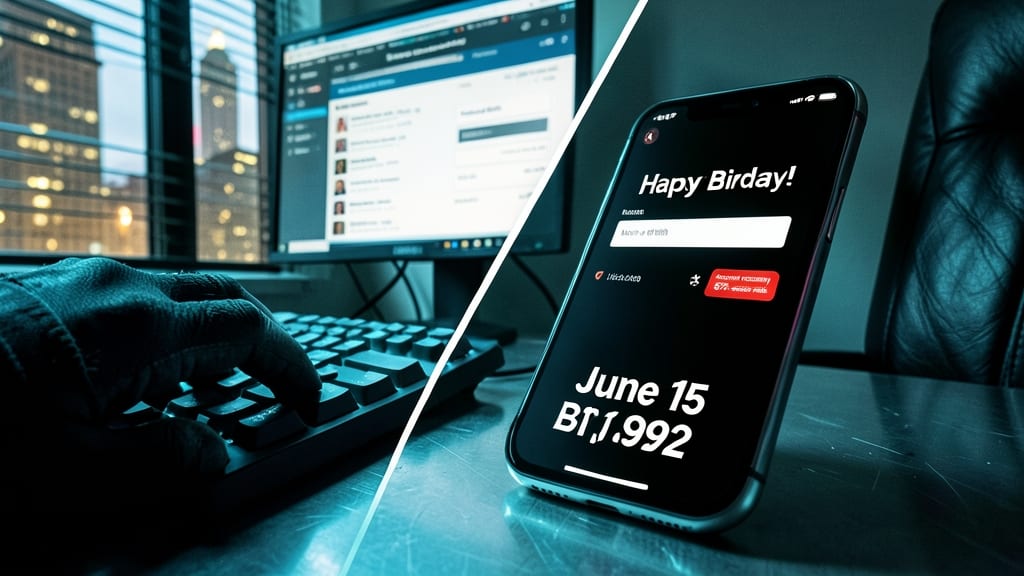
That "perfect beach vacation" post might be inviting trouble—literally. Burglars actively scan social media for real-time location tags and check-in updates, turning your empty home into a prime target. Studies show that homes with active travel posts are 3x more likely to be burglarized during vacations.
Most platforms enable location services by default, broadcasting your exact whereabouts to anyone—including criminals. Even "close friends only" posts can be screenshotted or shared publicly. Worse, smart home devices (like security cameras or smart locks) often sync with social media, giving thieves a live feed of your property’s status.
This risk isn’t just theoretical: In 2023, 42% of reported home burglaries occurred while owners were away, with many victims admitting they posted about their trips. If you love sharing your adventures, at least disable location tags, wait until you’re back to post, and use private accounts with trusted contacts only. 🌟
Phishing Scams Using Personal Stories
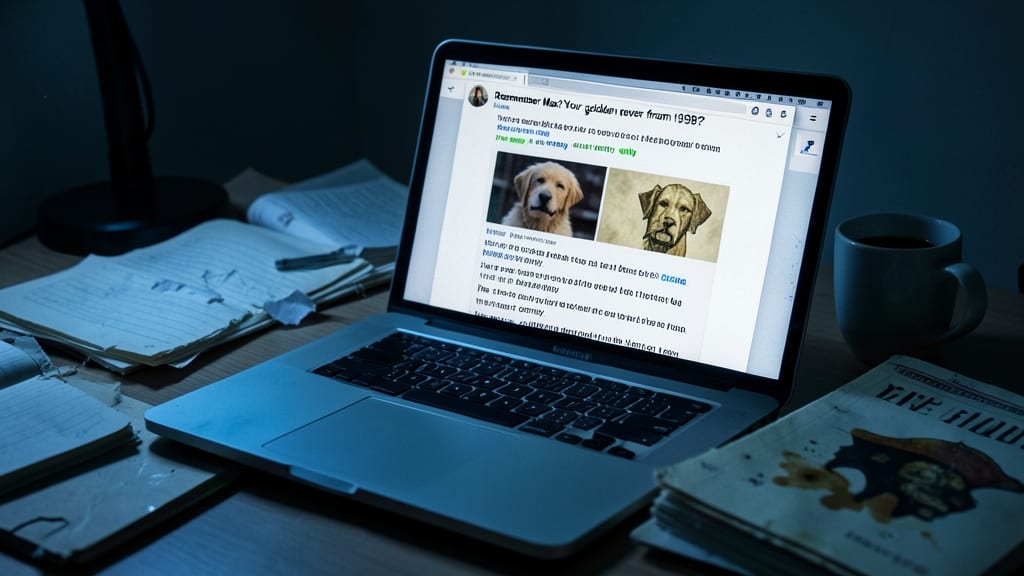
That heartfelt post about your childhood dog’s name or your high school mascot might seem harmless—but scammers are using it to craft hyper-personalized phishing attacks that bypass basic security checks. Unlike generic scams, these messages reference real details from your profile, making them eerily convincing.
Attackers often pose as IT support, bank representatives, or even friends in distress, using specifics like your pet’s breed, your alma mater’s nickname, or inside jokes from old posts. These tactics exploit the human tendency to trust familiar details, tricking victims into clicking malicious links or revealing sensitive info. Even two-factor authentication (2FA) can fail if scammers already know your security answers.
This threat targets everyone, from casual social media users to professionals sharing career milestones. A simple rule: if a message feels too personal, it’s likely a scam. Always verify requests via official channels—never click links from unsolicited messages. 💡
Stalking Risks from Routine Posts
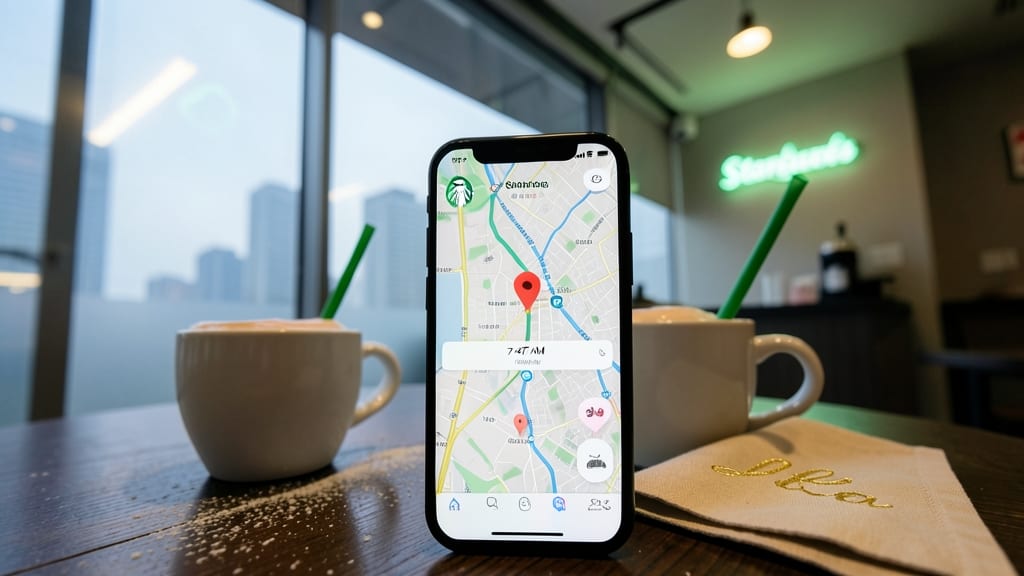
That morning coffee post might seem innocent, but geotagging your daily Starbucks run or gym check-ins creates a digital breadcrumb trail for stalkers. Apps like Find My Friends or even public posts with location services enabled turn your routine into a predictable pattern—one that can be weaponized to track you in real time.
Stalkers often use social media monitoring tools (some free, others paid) to aggregate posts, then cross-reference them with public records or even hire private investigators. A weekly yoga class post could reveal your exact route home, while a daily dog park update might expose your neighborhood. Even "private" stories can be screenshotted and shared in niche forums where predators lurk.
If you’re a parent, a public figure, or simply value privacy, disable location services for social apps and avoid posting predictable routines. A quick audit of your privacy settings—like Instagram’s "Activity Status" or Facebook’s "Location History"—can cut off this digital tracking trail before it’s too late. 💻
Job Discrimination from Oversharing
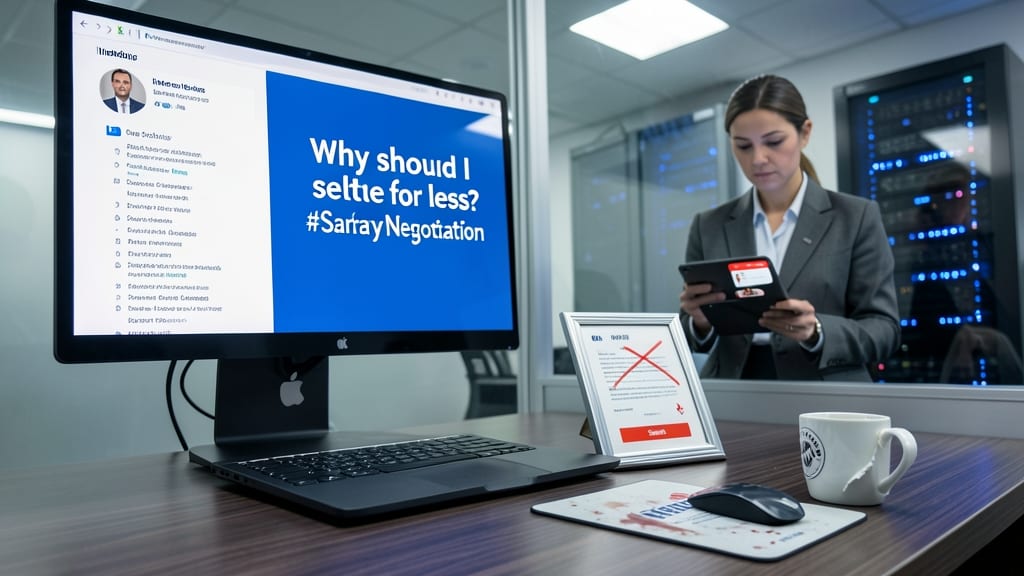
That job offer might hinge on more than just your skills—what you post online could cost you opportunities before you even walk in the door. A single political rant, medical disclosure, or salary negotiation tweet can trigger red flags for recruiters, HR departments, or even automated hiring algorithms scanning social profiles.
Many companies now use background check services like Checkr or Sterling that comb through public posts to assess cultural fit—or weed out candidates. A 2022 CareerBuilder survey found that 70% of employers screen candidates' social media, with 53% rejecting applicants over controversial content. Even "private" posts can resurface during employment verification, especially if tagged or shared.
Job seekers in conservative industries (finance, healthcare) or politically sensitive roles should treat social media like a live interview—no unfiltered opinions, no medical history, and absolutely no salary complaints. 💻
Child Safety Threats from School Posts
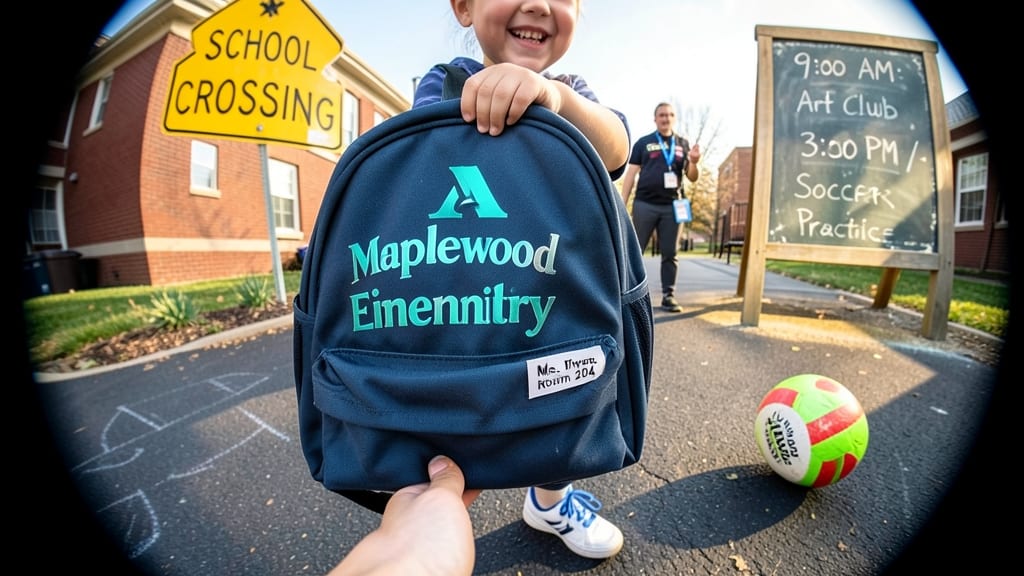
That proud parent post about your child’s first day of school might seem harmless, but it’s a predator’s treasure map. Sharing school names, teacher names, or extracurricular activities gives criminals the exact details they need to target kids online—whether through fake friend requests, grooming tactics, or even physical stalking near schools.
Cybercriminals use public school directories and social media to identify vulnerable children, then exploit trust by posing as coaches, volunteers, or classmates. A 2023 FBI report found that 68% of child predators use social media to locate and manipulate kids, with school-related posts being a top entry point. Even seemingly innocent details like "My kid’s soccer practice is Wednesdays at 4 PM" can reveal routines to dangerous individuals.
Parents of elementary to high school students are most at risk, but even college students sharing dorm details can fall victim. Avoid posting school names, teacher names, or schedules—privacy settings alone aren’t enough. Use platform tools like Facebook’s "Limit Past Posts" feature or Instagram’s "Close Friends" to restrict access to trusted contacts only. 💻
Financial Fraud from Pet Details
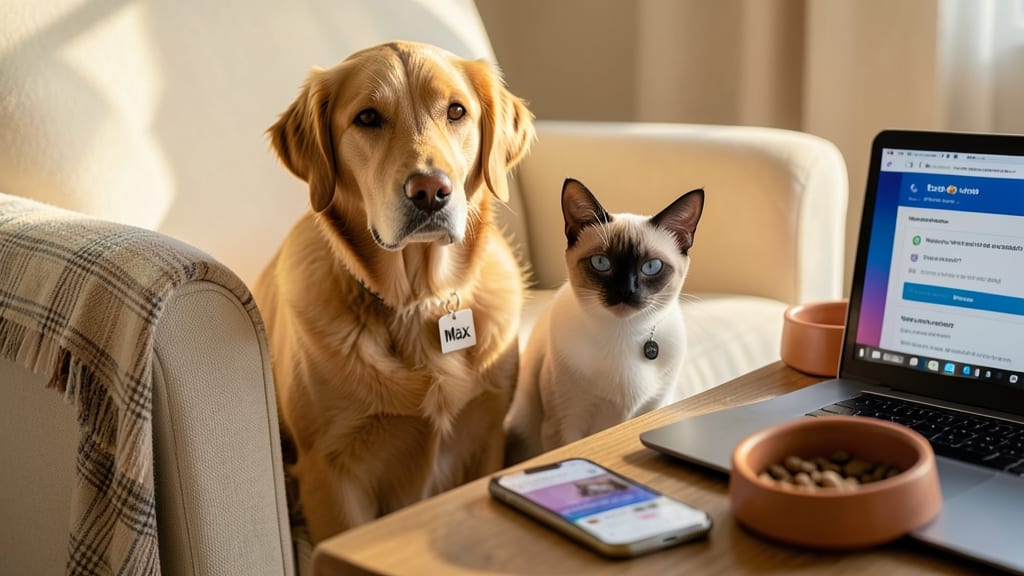
Your adorable pet photos might be the key to unlocking your bank account. Scammers routinely exploit pet names and breeds—common security questions that become trivial to guess when overshared online. A quick search of your social media could reveal your dog’s name (Max) or cat’s breed (Siamese), giving fraudsters enough to bypass password recovery.
Banks and email providers still rely on these outdated security questions, despite their vulnerability. Criminals use publicly available data to craft targeted attacks, tricking victims into transferring funds or revealing sensitive info. Even "private" posts can be screenshotted or leaked, turning your pet’s name into a digital skeleton key.
Pet owners, freelancers managing finances, and anyone with public profiles are at risk. Before posting, ask: Could this help someone hack my accounts? Use strong, unique security answers (like "Blue123!" instead of "Fluffy") and enable two-factor authentication as a backup. 💻
Relationship Scams Using Emotional Posts
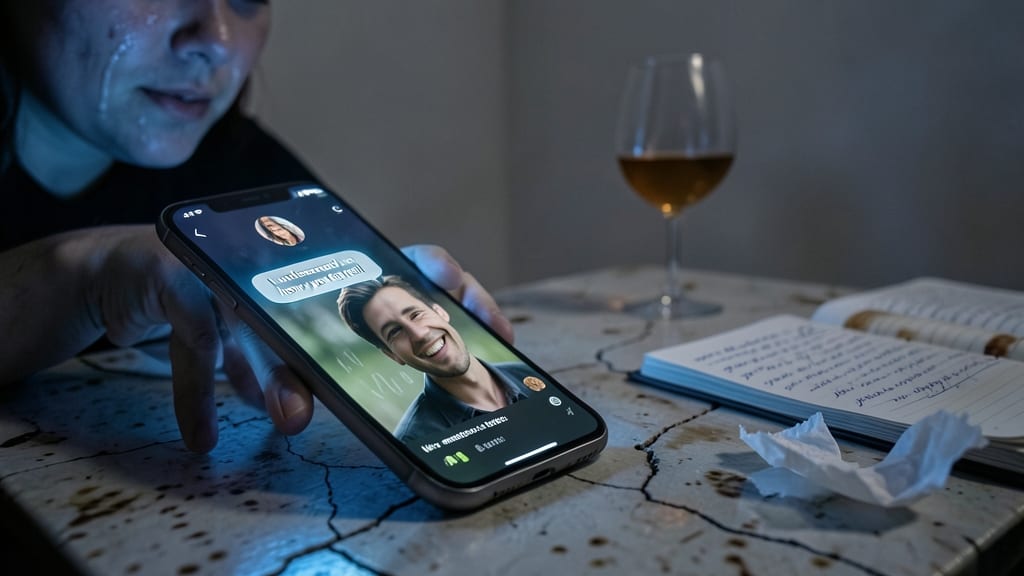
After a breakup or during lonely moments, you might crave connection—but scammers exploit this by creating fake dating profiles that mirror your emotional state. They’ll send messages like, "I understand how you feel" or "We’re meant to be together," using AI-generated voices or stolen photos to build trust before asking for money or personal data.
These scams often start with small requests (e.g., "Help me with my visa fees") or urgent emotional appeals ("My family needs medical help"), playing on guilt or sympathy. The FBI reports that romance scams cost victims $1.3 billion in 2023 alone, with many losing thousands before realizing they’ve been catfished. Even seemingly harmless posts about dating struggles or loneliness can attract predators lurking for vulnerable targets.
If you’re healing from a breakup or feeling isolated, avoid sharing real-time emotions online and verify profiles with reverse-image searches. Trust your gut—if someone rushes a relationship or asks for money early, it’s likely a scam. 💪
Insurance Fraud from Health Updates
That "just a sprained ankle" post might seem harmless, but it could become a fraudster’s blueprint. Scammers monitor social media for health updates, then stage fake injuries or illnesses using your real medical history as "proof" for insurance claims—leaving you to fight denials or legal battles.
Once your condition is public, criminals can fabricate staged accidents or exaggerated symptoms, then file claims under your name. For example, a broken arm post could inspire a fake workers’ comp claim, while a migraine update might trigger a disability fraud case. Even vague terms like "recovering" or "on meds" give scammers enough to work with.
People with pre-existing conditions or those who’ve recently filed claims are especially at risk. Before posting, ask: Could this help someone fake an injury? When in doubt, keep health updates private—your future self will thank you. 💡
Blackmail Risks from Private Photos
You might think your private photo albums are safe—but one leaked image can change everything. Blackmailers don’t need public posts; they exploit "private" shares, screenshots, or hacked accounts to demand money, silence, or even expose secrets. Even encrypted messaging apps aren’t foolproof if your device is compromised.
Your location tags (e.g., "Home office setup") or intimate details (e.g., "First date outfit") can be weaponized. A 2023 FBI report found that 45% of blackmail cases started with oversharing—whether through DMs, cloud backups, or third-party leaks. Once in the wrong hands, these photos become digital leverage, often paired with threats to expose them publicly or to loved ones.
This isn’t just a celebrity risk: everyday users are targeted too. Before posting, ask—could this be used against me? Use end-to-end encryption (Signal, WhatsApp) and two-factor authentication on all accounts to lock down your digital life. 💻