
Operating System
Data breaches cost companies billions annually—but most attacks start internally. These 10 zero-trust safeguards help organizations lock down sensitive data before threats materialize, regardless of employee intent or external attacks.
Role-Based Access Control Implementation
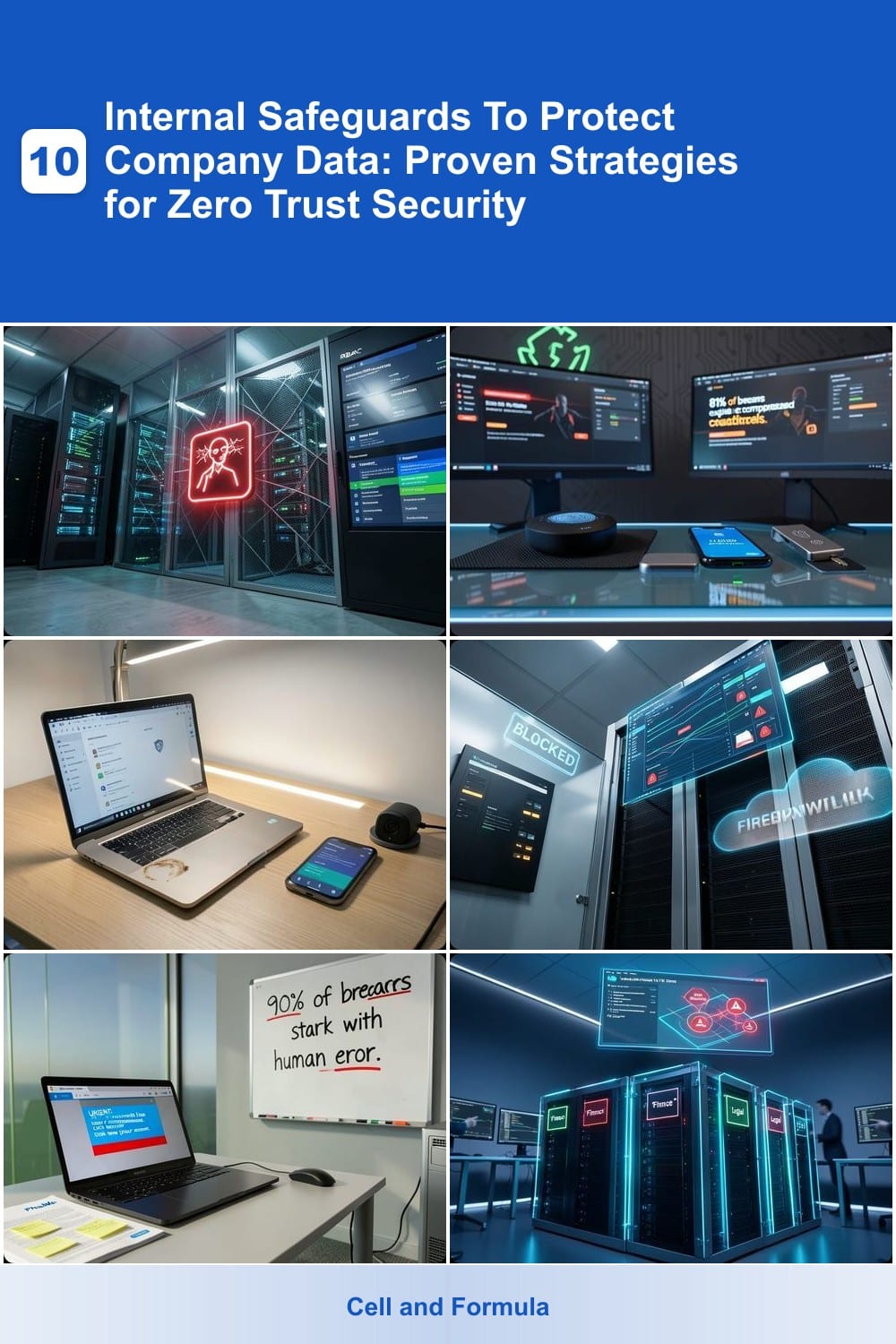
Ever wondered how a single misconfigured admin account could expose your entire company’s data? Role-Based Access Control (RBAC) solves this by assigning permissions based on job function—not just trust. Unlike broad "admin" roles, RBAC ensures employees access only what they need, drastically cutting insider threats and compliance violations.
Modern RBAC systems like Microsoft Azure AD or Okta integrate with Active Directory to enforce granular policies. For example, a finance team member might edit spreadsheets but never access HR records. Automated audits track changes, while just-in-time (JIT) access revokes permissions after tasks are complete. This approach aligns with NIST guidelines and reduces audit failures by up to 70%.
Ideal for regulated industries (healthcare, finance), RBAC also benefits growing startups where rapid hiring can lead to permission sprawl. Start with a least-privilege baseline and refine roles as your team scales. ✨
Multi-Factor Authentication for All Systems

Passwords alone are the weakest link in your security chain—81% of data breaches exploit compromised credentials. Multi-Factor Authentication (MFA) adds an extra layer by requiring biometric scans, hardware tokens, or one-time codes, making unauthorized access nearly impossible even if passwords are stolen.
Solutions like Microsoft Authenticator or YubiKey integrate seamlessly with all major systems (cloud, VPNs, internal apps) and support FIDO2 standards for passwordless logins. For remote teams, push notifications or hardware keys eliminate phishing risks entirely, while zero-trust frameworks enforce MFA for every access attempt—no exceptions.
This is non-negotiable for industries handling PII, financial data, or healthcare records, where compliance (GDPR, HIPAA) demands strict authentication. Start with critical systems, then roll out company-wide for a battle-tested setup. ⚡
Endpoint Detection and Response Software

Hybrid workforces rely on laptops, phones, and IoT devices that often fly under IT’s radar—until it’s too late. Endpoint Detection and Response (EDR) software solves this by embedding lightweight agents on every device, monitoring for malware execution, lateral movement, and unusual data transfers in real time.
Solutions like CrowdStrike Falcon or Microsoft Defender for Endpoint use AI-driven behavioral analysis to flag suspicious activity before it escalates. They integrate with SIEM tools for centralized alerts and even automate responses like isolating infected machines. For companies with remote teams, this means unmanaged endpoints (like personal devices) become just as secure as corporate assets.
Ideal for industries handling sensitive data—like healthcare or finance—EDR acts as a silent guardian, ensuring threats are stopped at the device level before they reach your network. 💻
Data Loss Prevention for Cloud Storage
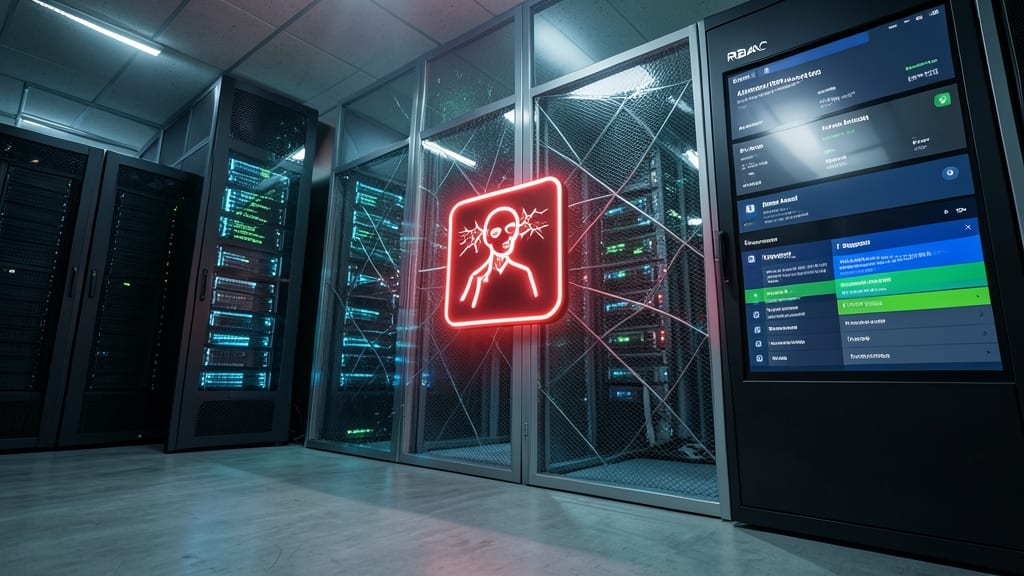
When sensitive files slip into cloud storage by accident—or worse, on purpose—Data Loss Prevention (DLP) acts as an automated bouncer, scanning every upload and blocking unauthorized transfers in real time. Unlike traditional firewalls, DLP solutions like Microsoft Purview or Symantec DLP integrate directly with cloud platforms (Dropbox, OneDrive, Google Drive) to enforce policies without disrupting workflows.
These tools use AI-driven classification to flag files containing credit card numbers, SSNs, or trade secrets before they leave your network. For example, a misconfigured SharePoint link could expose proprietary designs, but DLP blocks the transfer and alerts admins—often before the user even realizes the mistake. Compliance teams love this for GDPR or HIPAA requirements, as it automates audit trails for sensitive data.
Perfect for industries like healthcare or finance, where accidental leaks can trigger lawsuits. Even small businesses handling customer data benefit from the zero-configuration cloud integrations offered by modern DLP suites. ✨
Regular Security Awareness Training Programs

Even the most advanced firewalls can’t stop a careless click—90% of breaches begin with human error. Regular security awareness training programs turn your workforce into your strongest defense against phishing, social engineering, and credential theft.
Platforms like KnowBe4 or PhishMe deliver quarterly simulated phishing tests with real-time reporting, while interactive modules cover topics like recognizing CEO fraud emails or securing remote connections. Gamified quizzes boost engagement, and automated reminders ensure compliance stays top-of-mind—critical for industries like healthcare or finance facing strict regulations.
Ideal for teams of any size, these programs require minimal IT overhead and can cut breach risks by up to 70%. 💡
Network Segmentation for Critical Data

What if your finance team’s network was invisible to attackers who breached your marketing department? Network segmentation creates digital moats around critical departments like HR, finance, and legal, stopping lateral movement before it escalates.
Modern solutions like Palo Alto Networks VM-Series or Cisco’s SD-Access let you carve networks into isolated zones with micro-segmentation, where even compromised devices can’t pivot to other departments. For example, a phishing victim in sales won’t accidentally grant attackers access to payroll systems. Tools like VLANs or software-defined networking (SDN) enforce these boundaries with near-zero latency.
This is non-negotiable for regulated industries (healthcare, finance) but also a game-changer for SMBs with remote teams. Start with guest networks for contractors and expand to departmental isolation as threats evolve. 💻
Automated Patch Management Systems
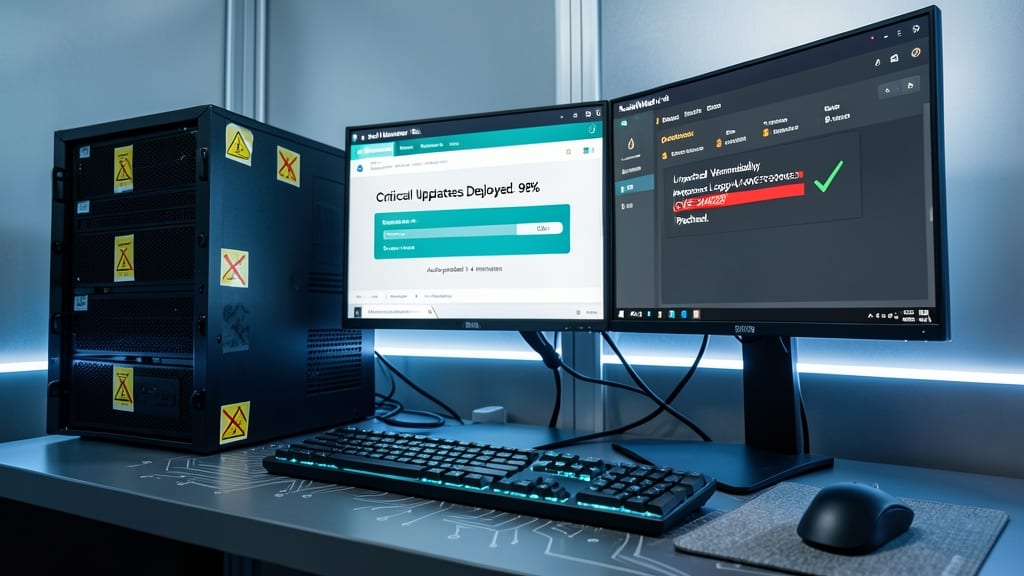
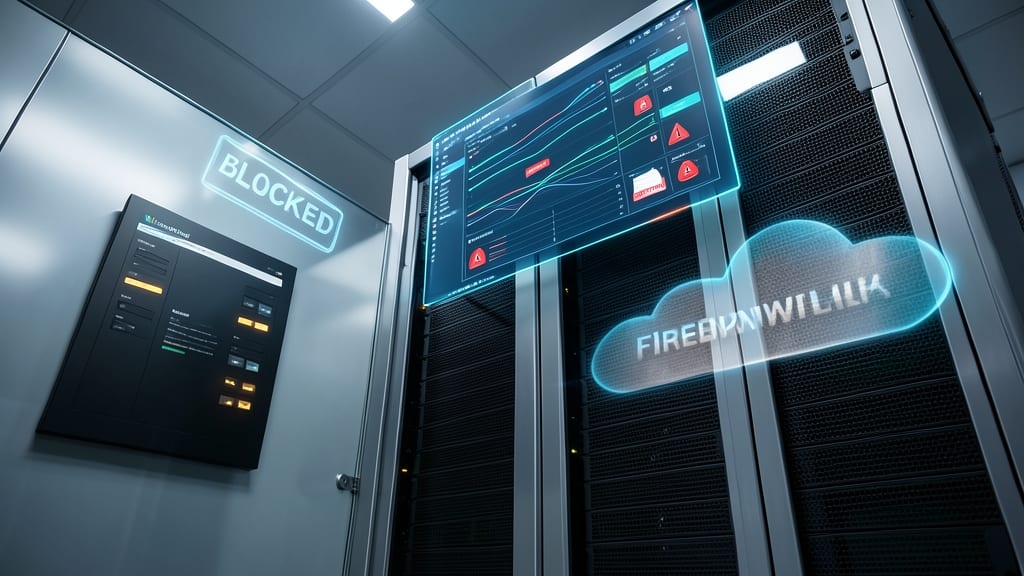
Outdated software is the #1 entry point for cyberattacks—yet 60% of breaches exploit unpatched vulnerabilities. Automated patch management systems like Patch Manager Plus or SolarWinds RMM eliminate this risk by deploying critical updates within minutes of release, not weeks.
These systems go beyond basic notifications by offering real-time vulnerability scanning, dependency mapping (to avoid breaking applications), and roll-back capabilities if an update causes issues. For example, Microsoft Endpoint Configuration Manager integrates with Windows Update for zero-touch deployment, while ManageEngine’s solution supports cross-platform patching for Linux, macOS, and Windows environments simultaneously.
Ideal for IT teams drowning in manual update cycles, these tools are especially critical for regulated industries (healthcare, finance) where compliance hinges on up-to-date systems. With 90% of exploits targeting known vulnerabilities, automation isn’t just efficient—it’s a non-negotiable safeguard. ⚡
Encrypted Communication Channels
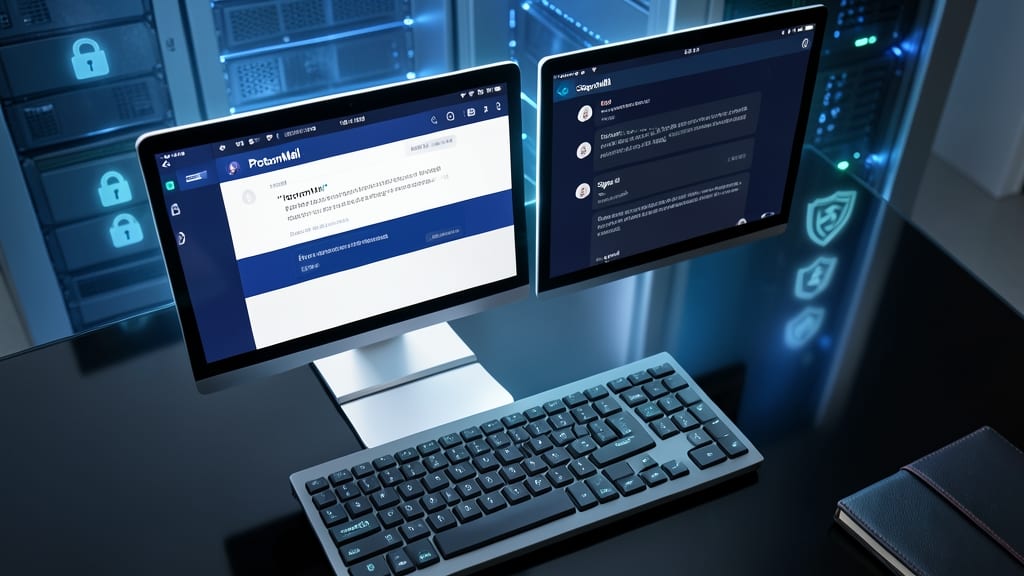
Executives and legal teams don’t need to worry about their private conversations falling into the wrong hands—end-to-end encryption ensures only the intended recipient can read messages. Platforms like ProtonMail and Signal offer military-grade encryption that renders intercepted emails or chats unreadable, even to government agencies.
With zero-trust protocols, sensitive discussions about mergers, litigation, or R&D stay confidential—no backdoors, no weak links. These tools integrate seamlessly with existing email and messaging systems, requiring minimal setup while delivering 256-bit AES encryption as standard. For compliance-heavy industries like healthcare or finance, encrypted channels satisfy HIPAA and GDPR requirements effortlessly.
Perfect for organizations where confidentiality is non-negotiable, encrypted communication channels turn every email or message into a digital vault. 🔧
Behavioral Analytics for User Monitoring

When a user suddenly downloads 50GB of data at 3 AM—or logs in from three continents in an hour—behavioral analytics spots these red flags before they become breaches. Unlike static rules, this AI-driven approach learns normal patterns and flags deviations in real time, giving security teams actionable alerts without false positives.
Solutions like Darktrace or Exabeam analyze login frequency, device changes, and data access trends to build a baseline for each account. If an executive’s usual 9 AM login shifts to midnight from an unrecognized VPN, the system triggers alerts instantly. Integration with SIEM tools ensures anomalies feed into broader incident response workflows, reducing mean time to detect (MTTD) by up to 70%.
This is your second line of defense after MFA—perfect for industries like finance or healthcare where insider threats or credential stuffing could have catastrophic consequences. 💡
Incident Response Playbooks for Breaches

When a breach happens, every minute counts—yet many companies fumble through responses, wasting critical time. Incident Response Playbooks turn chaos into structured action by outlining predefined containment, communication, and recovery steps tailored to your organization’s risks, ensuring faster resolution and less reputational damage.
These playbooks typically include real-time escalation paths, automated isolation protocols, and clear communication templates for stakeholders. For example, a financial services firm might have a playbook that triggers automated database backups and customer notifications within 30 minutes of detection, while a healthcare provider would prioritize HIPAA-compliant data quarantine. Tools like Splunk’s Incident Review or IBM Resilient integrate with existing security stacks to streamline execution.
Ideal for regulated industries (healthcare, finance) or any business handling sensitive data, playbooks ensure consistency across teams—even under pressure. The result? Faster recovery, fewer compliance violations, and customers who trust you’ve got their backs. ✨