
PowerPoint
Want to elevate your PowerPoint presentations with polished, professional transitions? These seven transition effects help create smooth slideshow flow while keeping your audience engaged without distracting from your content.
Fade Slide Transition

Need a transition that feels polished and professional without stealing the spotlight? The Fade Slide Transition in PowerPoint delivers exactly that—a smooth, seamless shift between slides that keeps your audience focused on your message, not the visuals.
Available in PowerPoint 2013 and later (including Mac versions), this effect works by gradually darkening the outgoing slide while lightening the incoming one, creating a zero-distraction flow. You can adjust the speed to match your presentation’s pacing, and it pairs perfectly with subtle sound effects for added polish. The simplicity ensures compatibility across devices and avoids overwhelming older systems.
Perfect for corporate reports, board meetings, or formal training sessions, this transition maintains a clean, uncluttered aesthetic. It’s the go-to choice when you want elegance over flash. ✨
Slide Zoom Transition
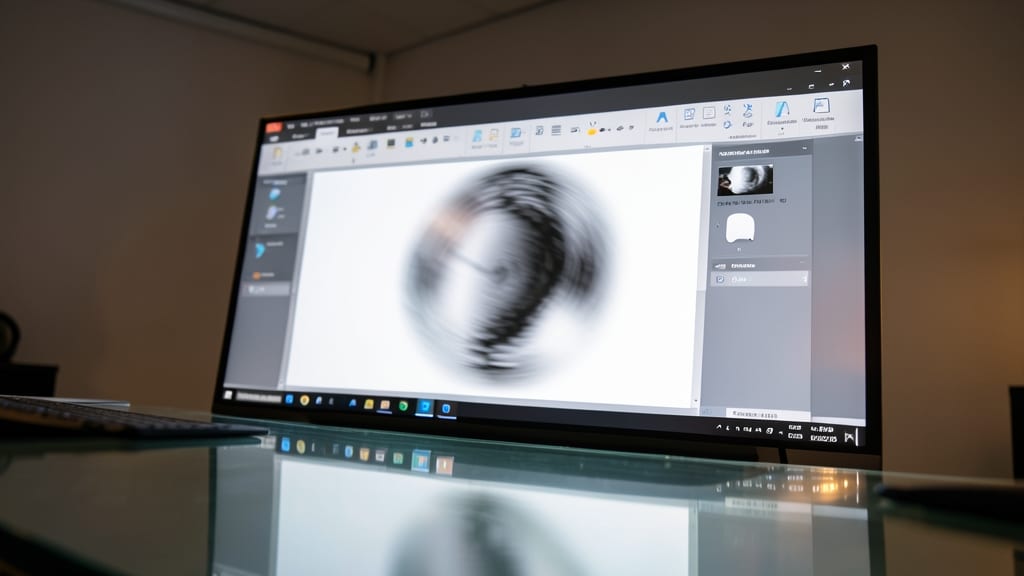
Tired of static slides that feel like they’re stuck in 2005? The Slide Zoom Transition injects energy into your presentations by smoothly zooming into the next slide—like a mini-movie effect that keeps your audience locked in.
Available in PowerPoint 2013 and later (including Mac versions), this transition lets you control the zoom speed and direction (inward or outward). Pair it with a slight blur effect on the outgoing slide for a cinematic touch that works perfectly for pitches, creative projects, or storytelling sessions.
Storytellers and creatives will love this one—it’s the ideal way to emphasize key moments without overwhelming your content. ⚡
Push Transition
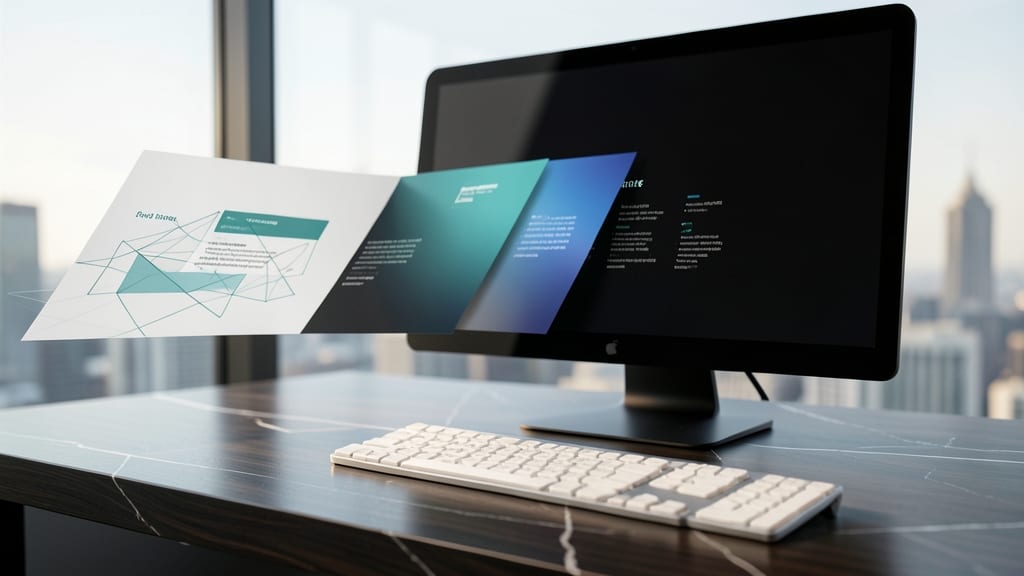
Need a transition that feels fresh yet professional? The Push Transition delivers a sleek, directional shift by sliding one slide out while the next glides in—perfect for tech demos where clarity and flow matter most.
Available in horizontal or vertical directions, this effect works seamlessly in PowerPoint 2016 and later, including Mac versions. The clean motion keeps viewers locked in without overwhelming them, making it ideal for fast-paced content like product launches or data walkthroughs.
Tech presenters and trainers love it for its modern aesthetic and focused movement, ensuring your audience stays aligned with your narrative. ⚡
Wipe Transition
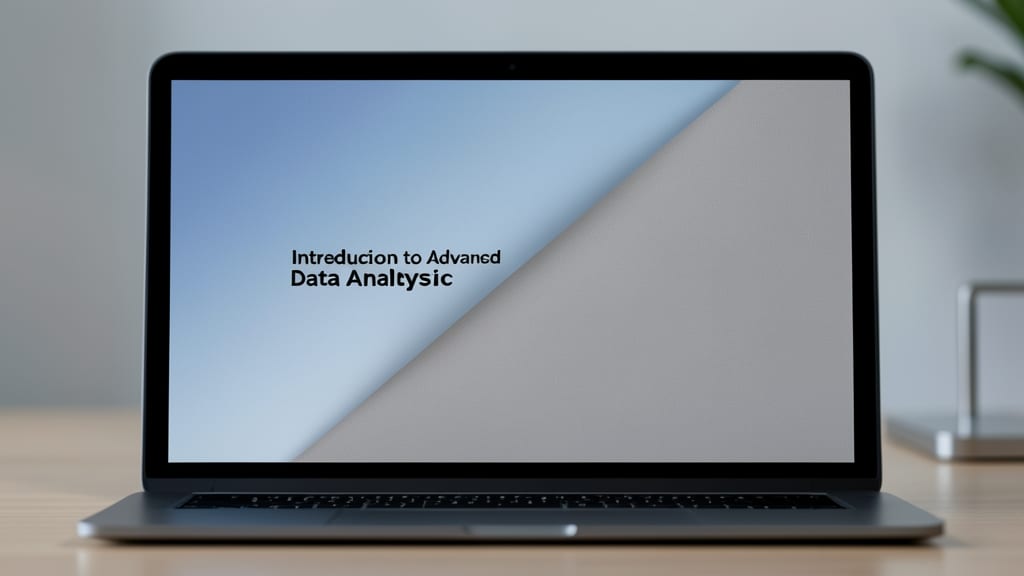
Need a transition that feels intentional but never distracts? The Wipe Transition delivers three directional options—horizontal, vertical, or diagonal—to guide your audience’s eye through content without visual chaos.
Available in PowerPoint 2013 and later, this effect works best for educational slideshows where structured movement reinforces learning flow. The vertical wipe, in particular, mimics traditional whiteboard reveals, making it ideal for step-by-step explanations. Speed adjustments let you control pacing, so you can match the transition to your delivery rhythm.
Teachers, trainers, and instructional designers will appreciate how this transition keeps focus on the content while adding subtle motion. Perfect for breaking up static slides without overwhelming your message. ✨
Morph Transition
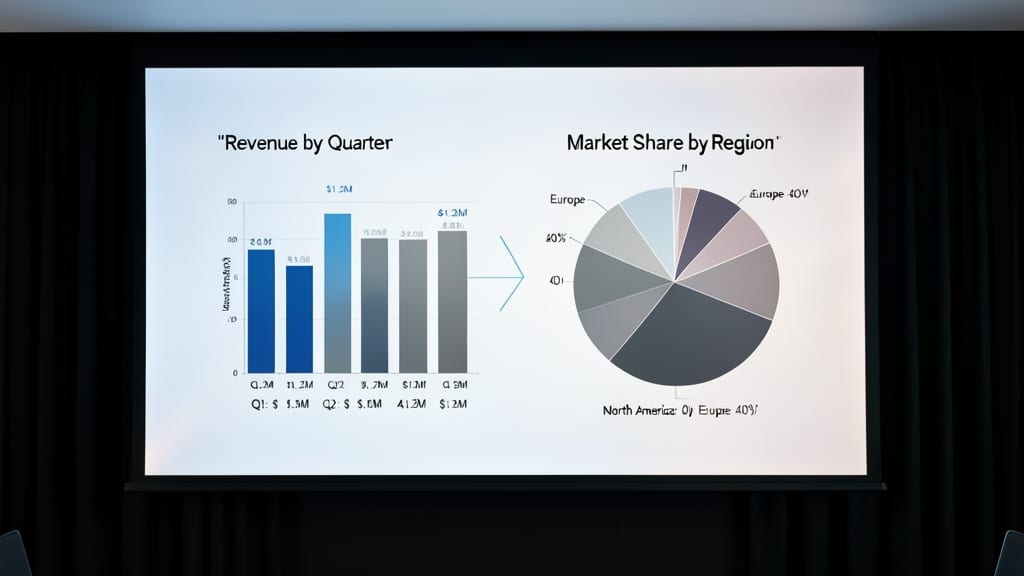
When your data tells a story, the Morph Transition ensures your audience stays locked in without missing a beat. Unlike static jumps between slides, this effect fluidly reshapes elements—like a bar chart smoothly evolving into a pie chart—while preserving all text and objects in place.
Available in PowerPoint 2016 and later (including Mac versions), Morph works best with vector-based objects and text boxes that don’t exceed 100 characters. The transition speed is fully customizable, letting you control how gradual or abrupt the transformation feels. For presentations packed with visual data, this keeps your flow seamless and professional.
Data analysts, marketers, and educators will love Morph for its ability to maintain visual continuity between complex slides. It’s the perfect tool when you need to highlight trends without breaking your audience’s focus. ✨
Box Out Transition

When you need to command attention mid-presentation, the Box Out Transition delivers a punchy visual cue by framing the next slide with an expanding box. Unlike smoother effects, this transition creates a deliberate pause—perfect for emphasizing key moments in keynote speeches or creative pitches where you want to signal a shift in focus.
Available in PowerPoint 2016 and later (including Mac versions), this effect works by drawing a rectangular border that grows outward from the center of the slide. You can adjust the speed and direction (inward or outward) to match your presentation’s rhythm, and pair it with sound effects for extra impact. The bold framing ensures your audience notices the transition without losing track of your message.
Ideal for startup pitches, product launches, or motivational talks, this transition works best when used sparingly—think of it as a visual cue to "listen up." Pair it with high-contrast slides for maximum effect. ✨
Split Transition
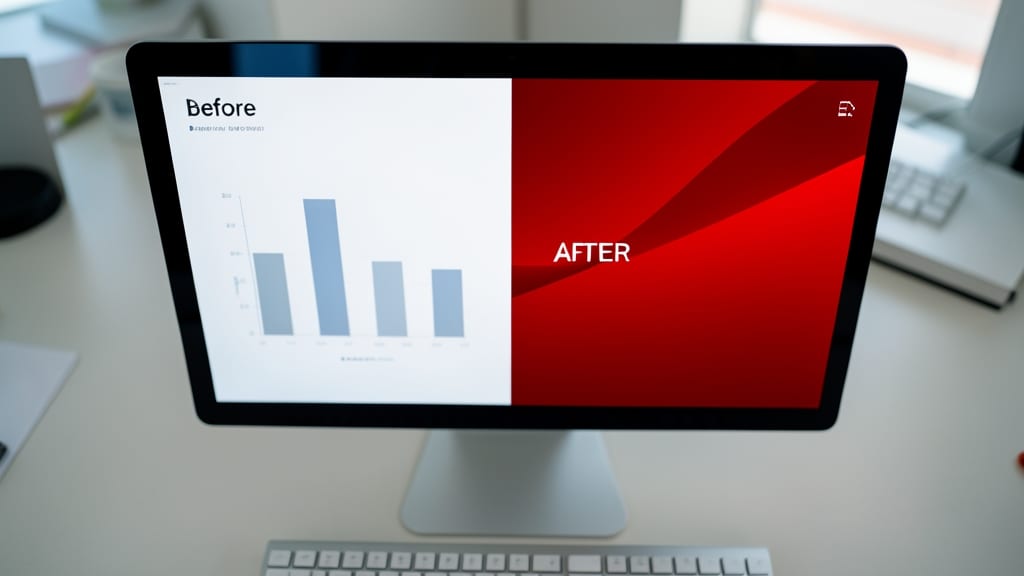
Need a transition that doesn’t just move between slides but compares them? The Split Transition in PowerPoint divides your screen into sections—like a side-by-side reveal—perfect for highlighting contrasts in data, designs, or before/after scenarios.
Available in PowerPoint 2016 and later, this effect lets you split the screen horizontally or vertically before smoothly merging into the next slide. You can even customize the split position and timing to emphasize key comparisons. For example, a vertical split works great for A/B testing layouts or financial side-by-side analyses.
Ideal for analysts, designers, or educators, this transition keeps your audience focused on the visual differences without the distraction of flashy animations. 💡